トークイベント
「NEO-KOSHINプロジェクト」庚申塔って何だろう?石碑から時空を超えたネットワークへ 終了
- 会期
- 2026.9.26
- 時間
- 15:00〜17:00
- 会場
- 高架下スタジオSite-D集会場
- 入場料
- 無料
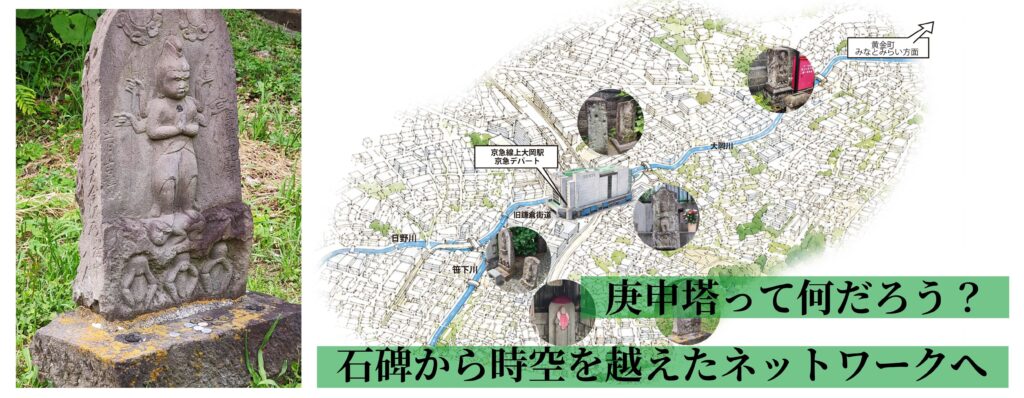
今回の展示会場の一つである京急百貨店のすぐそばには、江戸時代から続く「道の記憶」が残されています。
上大岡から大岡川沿いを金沢八景へと向かう道、また弘明寺の先から旧東海道へとつながる、かつての道筋には、現在も数多くの庚申塔が残されています。庚申塔は、主に江戸時代、地域の人々が集い、信仰や交流を育むなかで建立された石碑です。そこには、邪鬼を踏む青面金剛や、「見ざる・言わざる・聞かざる」の三猿が刻まれているものなど、一つひとつの意匠やモチーフが異なります。それらは、この土地で暮らした人々の信仰、交流、旅ゆく人への安全祈願、そして地域の記憶を、今日へと伝えています。
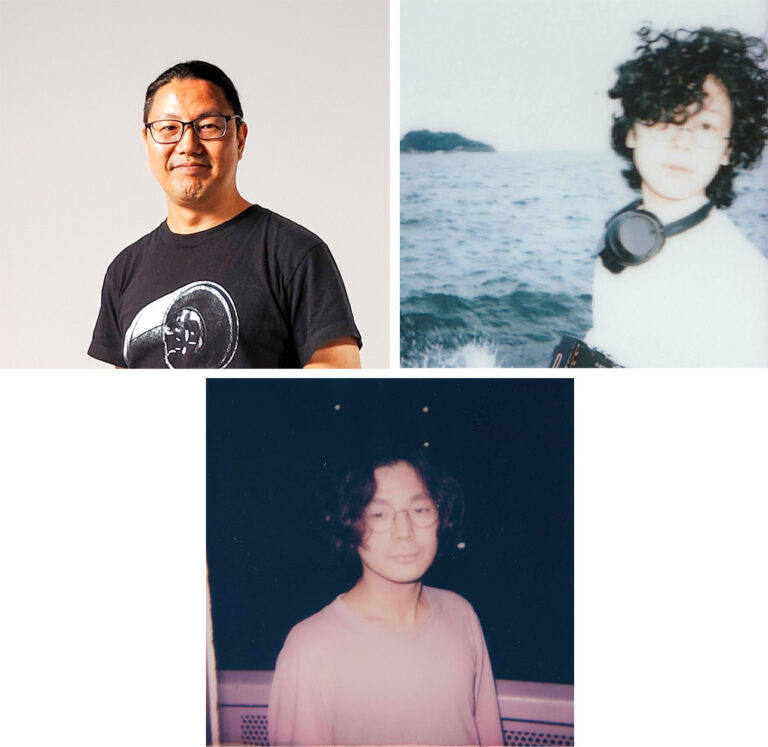
本トークでは、考古学者の石神裕之さんとアーティストの瀧健太郎さんが、庚申塔を切り口に、かつてこの地域に暮らした人々のつながりと、まちに刻まれた記憶について語ります。古い石碑がどのような背景のもとにつくられ、どのように人々の暮らしや道の往来と結びついていたのか。過去の人々の営みに思いを巡らせながら、現在のまちとのつながりを考えます。
日付|2026年9月26日(土) 開催時間|15:00〜17:00
会場|高架下スタジオSite-D集会場
登壇者|石神 裕之(考古学者・京都芸術大学)、瀧健太郎(アーティスト・東海大学芸術学科)
定員|40名
参加費|無料
予約|Peatixよりご予約ください。(当日受付可能)
備考|会場受付で黄金町バザール2026のチケットをご提示いただいた方に「オリジナルNEO-KOSHINステッカー」をプレゼント!
登壇者プロフィール|
石神裕之
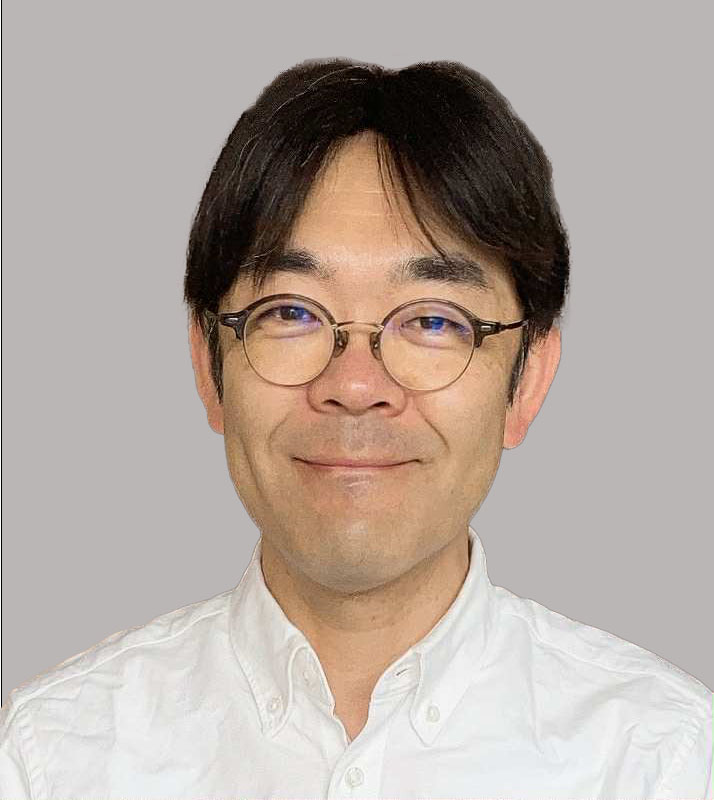
1973年神奈川県生まれ、千葉県育ち。2005年、慶應義塾大学大学院文学研究科後期博士課程単位取得退学。2006年、博士(史学[慶應義塾大学])。慶應義塾大学文学部准教授などを経て現職。東京都区内の都市再開発に伴う発掘調査や関東地方の石造物の調査に従事するなかで、調査後破壊されていく遺跡や路傍に埋れ忘れ去られてしまった石仏などを目の当たりにし、そうした文化遺産を地域のなかで保存・活用していくための方法論の構築に関心を持って研究を進めている。著書に『近世庚申塔の考古学』(慶應義塾大学出版会、2013年)、『47都道府県 遺跡百科』(丸善出版、2018年)など。
瀧健太郎
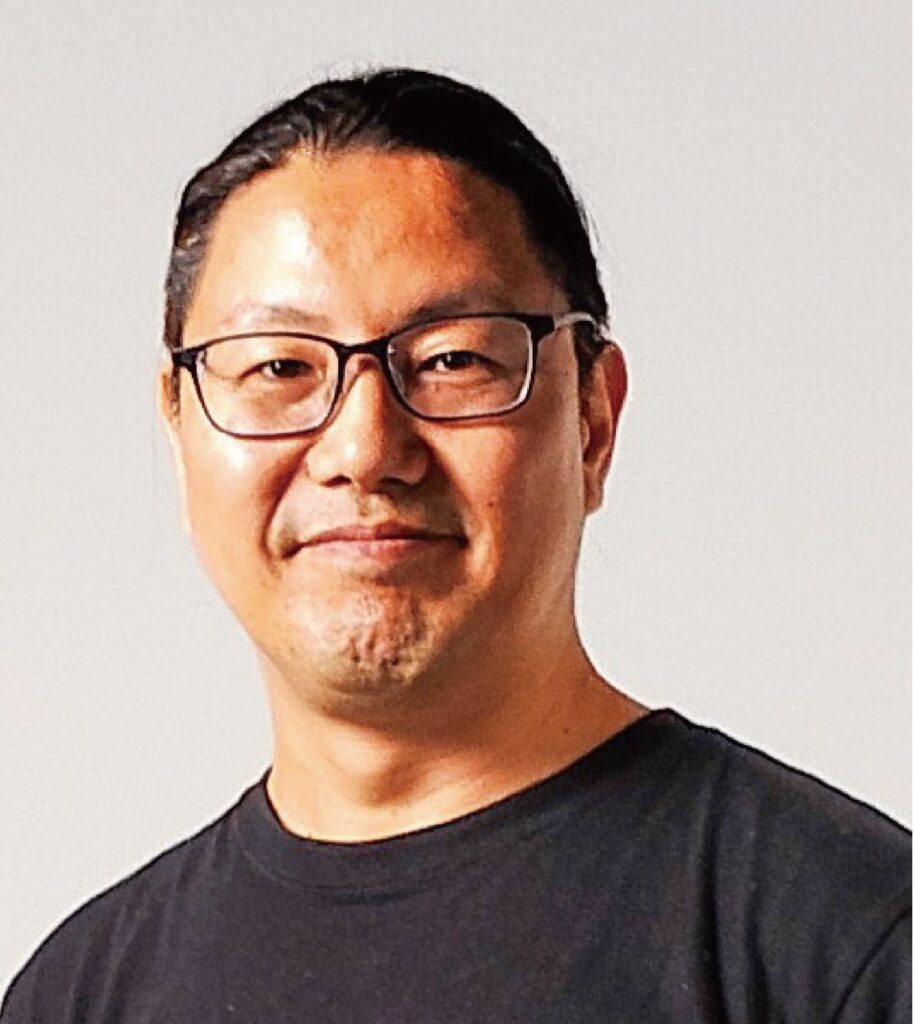
1973年大阪府生まれ。黄金町のスタジオを拠点に、都市空間におけるプロジェクション作品や光学的オブジェ、インスタレーション、パフォーマンスを制作する他、ワークショップや展覧会企画を行う。主な参加展に「ART OSAKA 2025映像プログラム 〈うつること〉と〈見えること〉— 映像表現をさぐる: 60年代から現在へ」(2025年、大阪市中央公会堂 大集会室)、「CIRCUITO CERRADO」(2026年、カルメ現代文化センター、スペイン、ヴァレンシア)ほか多数。著書に『クシシュトフ ヴォディチコ アンビヴァレントな記憶装置』(共和国発行、2026年)。
What Is a Koshin Stone Monument?
From Stone Monuments to Networks Across Time and Space
Just near one of the exhibition venues, Keikyu Department Store, traces of an old road dating back to the Edo period can still be found.
Along the former routes from Kami-Ooka toward Kanazawa-Hakkei following the Ooka River, as well as the route connecting the area beyond Gumyoji to the old Tokaido Road, numerous Koshin stone monuments remain today. Mainly erected during the Edo period, these monuments were created by local communities as people gathered to share beliefs and foster social connections.
The designs and motifs vary from monument to monument. Some feature Shomen Kongo, a deity depicted trampling an evil spirit, while others feature the familiar Three Wise Monkeys—“see no evil, hear no evil, speak no evil.” These monuments preserve traces of the beliefs and social connections of people who once lived in the area, as well as their prayers for the safety of travelers and the memories of the communities themselves.
In this talk, archaeologist Hiroyuki Ishigami and artist Kentaro Taki explore the connections between people who once lived in this area and the memories embedded in the city, using Koshin stone monuments as a starting point. How were these monuments created, and what role did they play in people’s everyday lives and journeys along the roads? By reflecting on the lives and activities of people in the past, the talk considers how these historical traces continue to connect with the city today.
Date & Time
September 26, 2026 (Sat.) 15:00–17:00
Venue
Site-D Community Space, Koganecho Underpass Studio
Speakers
Hiroyuki Ishigami
Archaeologist, Kyoto University of the Arts
Kentaro Taki
Artist, Department of Art, Tokai University
Capacity|40 people
Admission|Free
Reservation|Please register via Peatix. Same-day registration is also available.
Special Gift: Visitors who present a Koganecho Bazaar 2026 ticket at the reception will receive an original NEO-KOSHIN sticker.
Speakers’ Profiles|
Ishigami Hiroyuki
Born in Kanagawa Prefecture in 1973 and raised in Chiba Prefecture. Ishigami withdrew from the doctoral program at the Graduate School of Humanities, Keio University, in 2005 after completing the required coursework, and received his Ph.D. in History from Keio University in 2006. After serving as an associate professor at the Faculty of Letters, Keio University, among other positions, he currently holds his present position.
Through his work on archaeological excavations associated with urban redevelopment in Tokyo’s wards and surveys of stone monuments in the Kanto region, Ishigami has witnessed archaeological sites being destroyed after excavation, as well as stone Buddhist statues and other monuments buried along roadsides and gradually forgotten. These experiences have led him to pursue research into methods for preserving and making use of such cultural heritage within local communities.
His publications include The Archaeology of Early Modern Koshin Stone Monuments (Keio University Press, 2013) and An Encyclopedia of Archaeological Sites in Japan’s 47 Prefectures (Maruzen Publishing, 2018).
Taki Kentaro
Born in Osaka Prefecture in 1973. Based at his studio in Koganecho, Taki creates projection works, optical objects, installations, and performances in urban spaces, while also organizing workshops and exhibitions.
His recent exhibitions and projects include “What Is Projected and What Is Seen — Exploring Moving Image Expression from the 1960s to the Present”, the video program at ART OSAKA 2025 (Osaka City Central Public Hall, 2025), and “CIRCUITO CERRADO” at the Centre del Carme Cultura Contemporània in Valencia, Spain (2026).
His publications include Krzysztof Wodiczko: Ambivalent Memory Devices (Republic, 2026).